Allergy
Pollen allergy
Do you have a general cold during the spring and summer months? Then chances are that you are allergic to pollen.
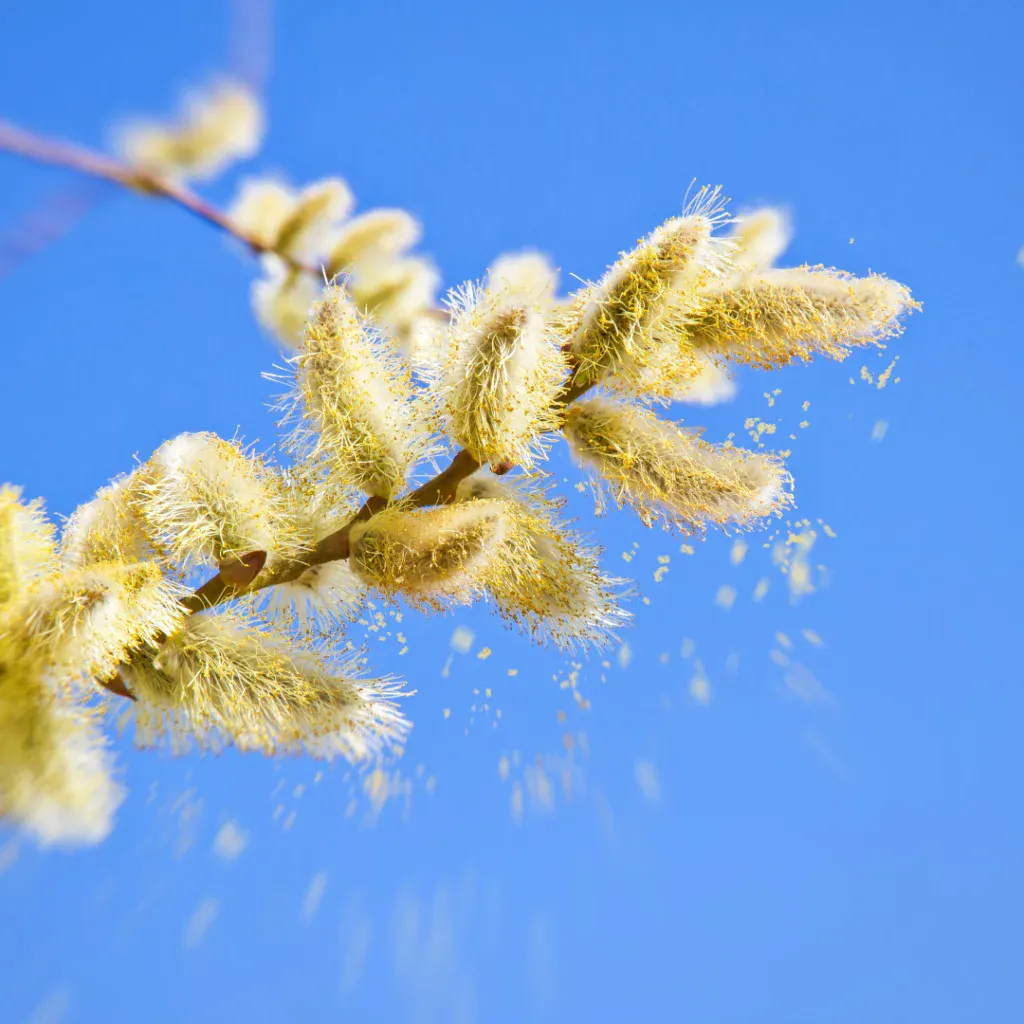
If you often have a stuffy nose, itchy and irritated eyes, sneeze and feel generally sniffly during the spring and summer months, chances are you are allergic to pollen.
Pollen allergy is very common. In fact, one in five people have a pollen allergy and research shows that it will only become more common. A contributing factor is warmer temperatures and increased levels of carbon dioxide, which causes some plants to produce more pollen.
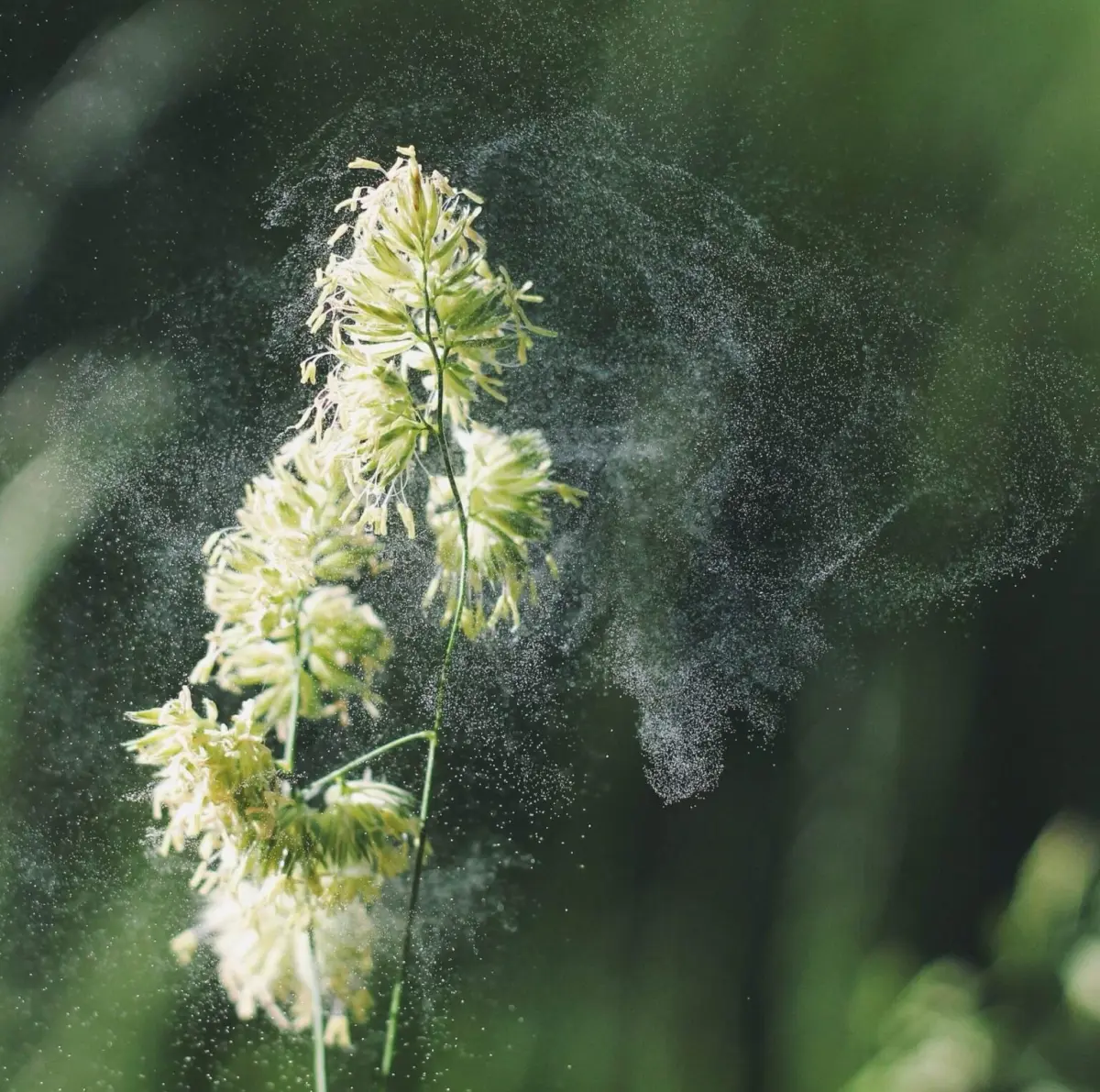
There are different types of hypersensitivity when it comes to pollen allergy. The most common is an allergy to birch or grass pollen as they are both what is known as ‘wind-pollinated’. They are therefore spread by the wind and can be found almost everywhere.
Pollen allergy from alder and hazel is also common, but many other trees and plants can also cause problems.
What is pollen allergy like?
The most common symptoms of pollen allergy are itchy, runny and stuffy nose. You may also experience a runny nose and sneezing attacks. Some people also experience some itching in the throat. In pollen allergy, it is also common for the eyes to become sensitive, itchy, swollen and generally irritating.
Pollen allergy symptoms?
Pollen allergy and symptoms on pollen allergy occur when the immune system overreacts to pollen in the air. Symptoms first appear when pollen in the air makes the body form allergy antibodies which then settle on our mast cells in the nose, trachea and the mucous membranes of the eyes. Our mast cells contain histamine, which is released when allergens enter our body, leading to allergic symptoms for some people.
Pollen allergy treatment?
Medicines and antihistamines cannot get rid of your pollen allergy, but they can relieve your allergic symptoms. On the other hand, only half of all pollen allergy sufferers report that medication relieves their symptoms. Allergen immunotherapy (allergy vaccination) can be offered to those with very severe pollen allergy, where treatment with medicines is not sufficient. The treatment can be given by injection and the aim of the treatment is to relieve the patient of difficult allergy symptoms. However, an allergy cannot be completely removed, and access to this treatment varies between countries.